When brands think “influencer marketing”, they picture a celebrity with millions of followers. For most growing businesses, that's the wrong picture. Smaller creators often have closer, more trusting communities, cost far less, and make it possible to run several partnerships for the price of one big post. Here's how to decide which approach fits your brand — and how to run a campaign that actually works.
The creator tiers
There's no official standard, but the industry commonly groups creators by follower count:
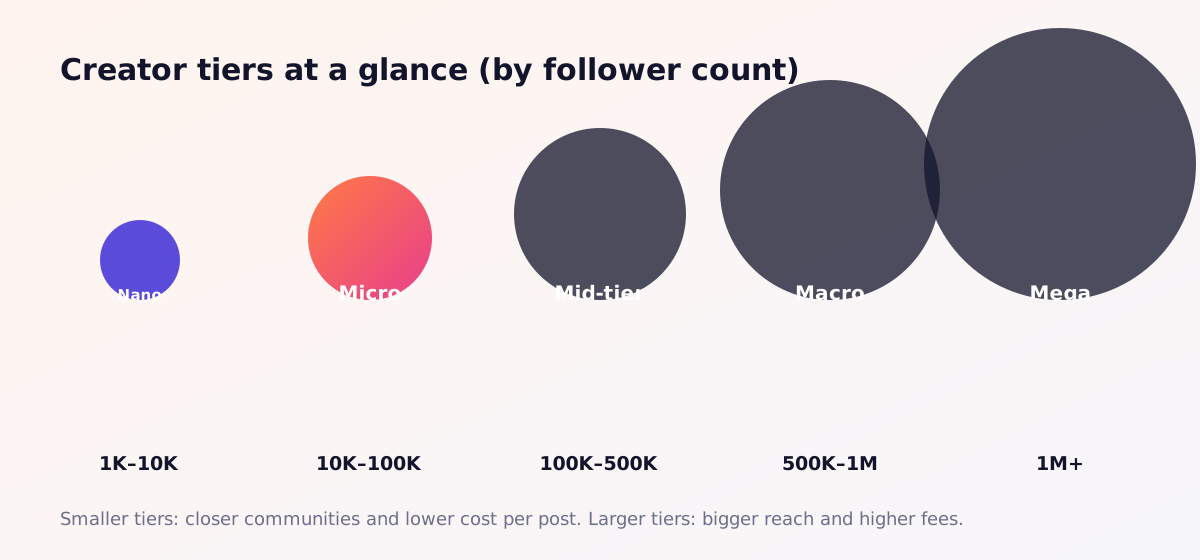
- Nano: roughly 1,000–10,000 followers
- Micro: roughly 10,000–100,000 followers
- Mid-tier: roughly 100,000–500,000 followers
- Macro: roughly 500,000–1 million followers
- Mega: 1 million followers and up
Why smaller creators often win for growing brands
Trust and closeness
Smaller creators tend to know their audience personally — they reply to comments, recognize regulars, and talk about products the way a friend would. A recommendation from someone you feel you know carries more weight than an ad read from a distant celebrity.
Niche focus
A micro-creator who posts only about home baking, trail running or small-business bookkeeping has an audience that's already pre-qualified. If your product fits that niche, almost every viewer is a potential customer.
Cost and flexibility
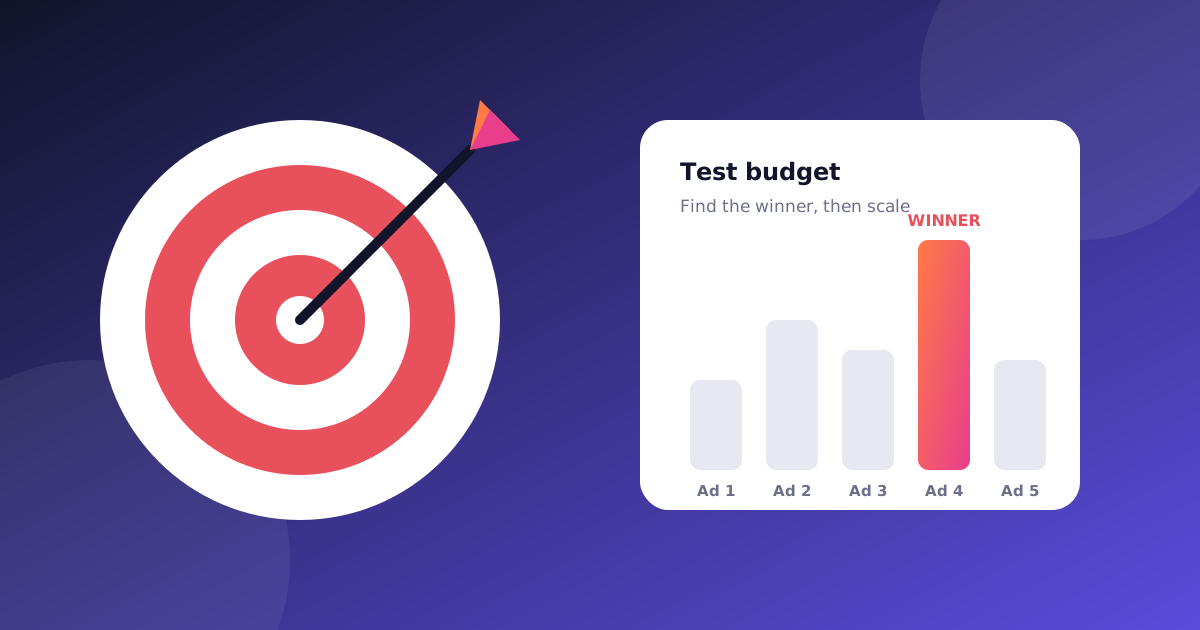
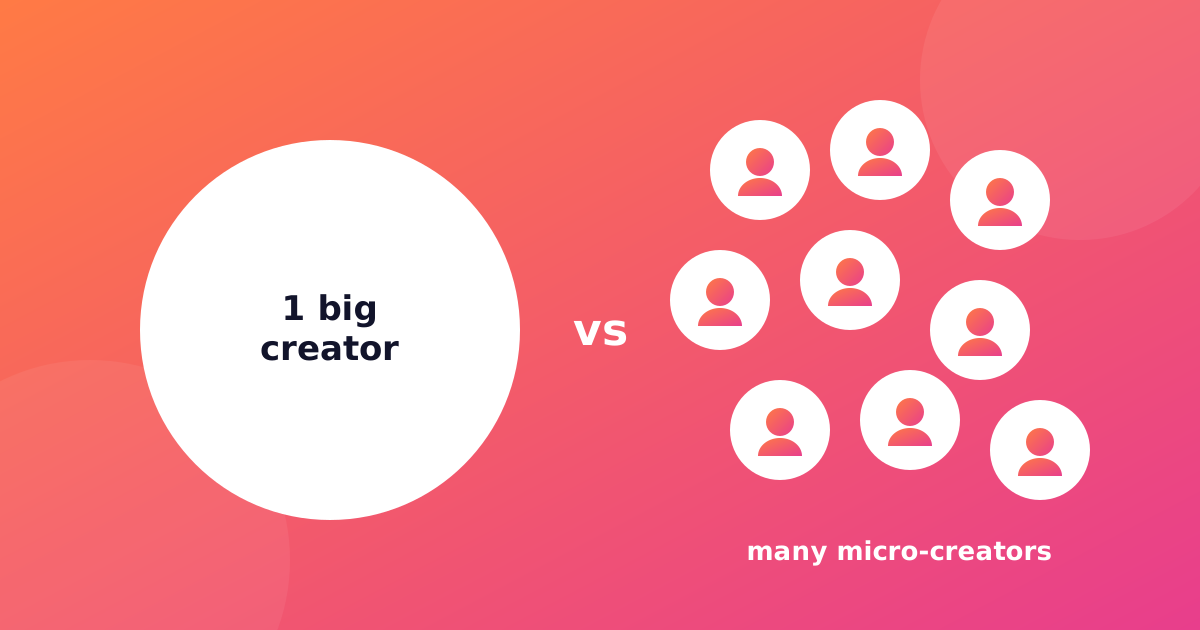
Fees scale with audience size. For the budget of one post from a large creator, you can often work with several smaller creators — giving you multiple audiences, multiple pieces of content, and multiple chances to find a partnership that performs.
Reusable content
Many smaller creators are happy to grant you rights to reuse their content in your own ads (agree this in writing). Authentic, creator-made videos frequently outperform polished brand content as ads.
When bigger creators make sense
Large creators aren't the wrong choice — they're the right choice for specific goals:
- Mass awareness: launching a product to a broad consumer audience.
- Credibility moments: a recognizable name can lend instant legitimacy.
- Big, broad markets: when nearly everyone is a potential customer.
If you go big, go in with clear goals, tracked links or codes, and a budget you can afford to treat as a learning experience.
How to find the right creators
- Start with your own followers and customers. Some of your best partners may already love your product.
- Search your niche hashtags and keywords on Instagram, TikTok and YouTube.
- Look at who your audience already follows and who your competitors partner with.
- Use creator platforms such as the built-in creator marketplaces on major social networks.
How to vet a creator
Follower count is the least important number. Check:
- Engagement quality: are comments real conversations, or generic emoji spam?
- Audience fit: ask for a screenshot of their audience demographics — location, age, gender.
- Consistency: do they post regularly, and do views stay reasonably steady?
- Brand safety: scroll back through several months of content. Would you be comfortable with your brand next to it?
- Past partnerships: do sponsored posts feel natural, or forced?
Running the campaign
- Write a clear brief: goal, key message, must-say points, things to avoid, deadlines and posting dates. Leave room for the creator's own style — they know their audience better than you.
- Agree terms in writing: deliverables, fees, usage rights, exclusivity and approval process.
- Require proper disclosure: sponsored content must be clearly labeled (for example using #ad or the platform's paid-partnership label). In the US, the FTC's endorsement guides require clear disclosure of material connections.
- Track everything: give each creator a unique link with UTM parameters and a unique discount code.
Measuring success
- Sales or leads from each creator's code and link.
- Cost per acquisition: total cost of the partnership divided by customers gained.
- Engagement and sentiment in the comments — are people asking questions about your product?
- Content value: how the creator's content performs when you reuse it in your own ads.
The bottom line
For most growing brands, influencer marketing works best as a portfolio: several smaller, well-matched creators, carefully tracked, with the winners turned into long-term partners. Bigger isn't better — better fit is better.